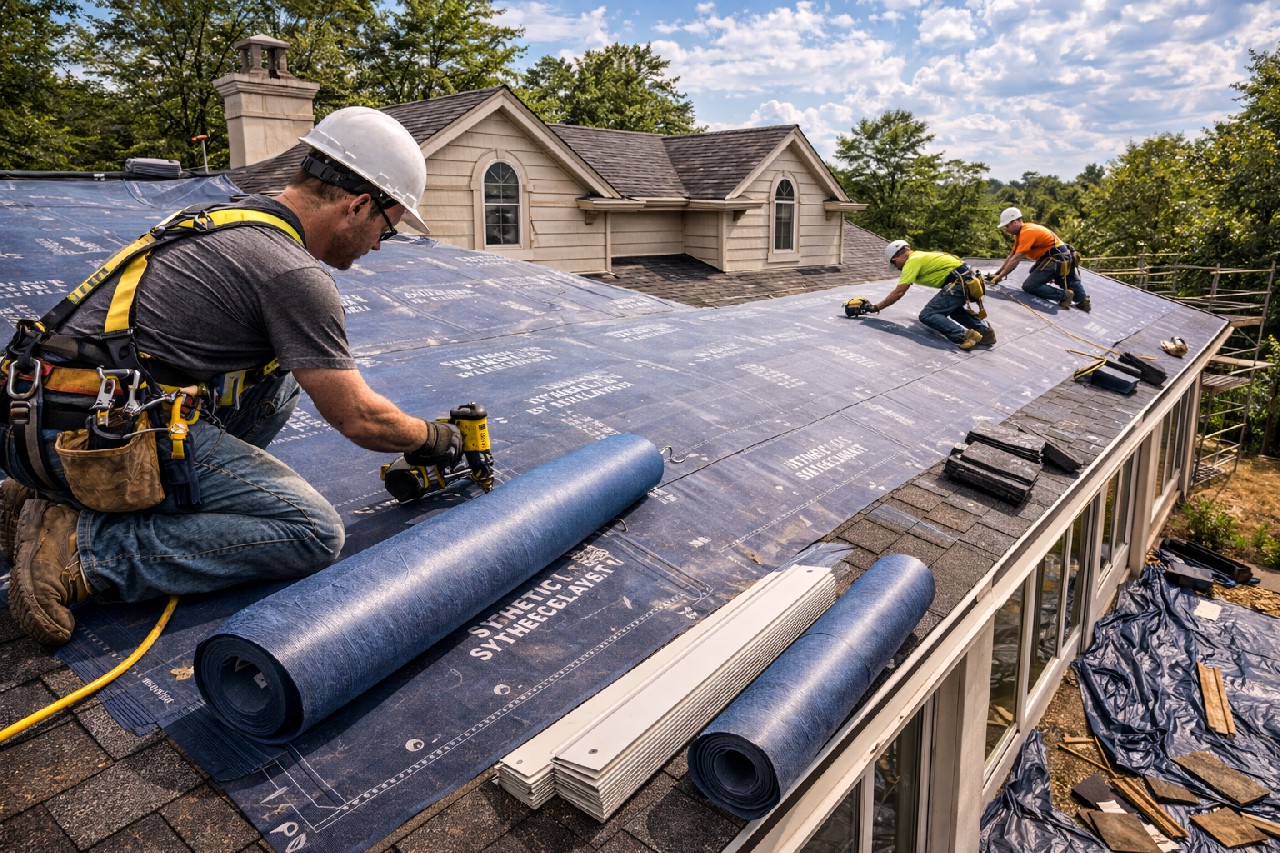


⚡ TL;DR: Learn to avoid common roof inspection pitfalls in Boise, ID, such as subtle hail damage, hidden leaks, and wind-torn shingles, with safe DIY tips for homeowners.
📋 What You’ll Learn
In this guide to avoiding roof inspection pitfalls in Boise, ID, you'll learn to combat local hail, wind, and snow threats, spot hidden damage, and use safe DIY practices for lasting protection.
- Grasp Boise's unique roof threats from hail, wind, and snow, enabling you to focus inspections on Idaho-specific damage patterns and prevent unexpected failures.
- Spot subtle hail damage after summer storms by spotting granule loss, dents, and cracks often missed in Boise, averting leaks and early replacements.
- Check valley flashing thoroughly to uncover hidden leaks causing rot and mold in Boise roofs, with pro tips for reliable detection and fixes.
- Identify wind-torn shingles and ridge issues from Treasure Valley gusts, plus safety tools and case study lessons to master DIY inspections confidently.
📖 Reading time: 7 min
✍️ Author expertise: Boise roofer with 15 years of field inspections on hail, wind, snow-damaged roofs.
You're standing on your Boise driveway after a brutal summer hailstorm, staring up at your roof with dread knotting your gut.
One wrong move during inspection—like skipping that sneaky valley flashing or ignoring wind-torn shingles—and you're staring at thousands in surprise repairs come winter.
We've seen it crush homeowners here in the Treasure Valley too many times.
Discover the exact pitfalls to sidestep so your roof stays solid and your wallet intact.

Boise's Unique Roof Threats: Hail, Wind, and Snow Edition
Boise roofs take a beating from our wild weather swings. Summer hail pounds like fists from the sky. Then wind howls through the Treasure Valley, ripping at edges.
Snow piles up heavy in winter, testing every seam. Ignore these, and your roof turns into a sieve. Spot them early, save big later.
Hail Hits Hard
- Golf-ball sized chunks dent shingles fast after those pop-up storms.
- Soft spots hide under granules, leading to cracks you miss from the ground.
- Check after every downpour. Use binoculars for a close look.
Wind Tears Loose
- Gusts over 50 mph lift tabs, especially on older roofs.
- Ridge caps fly first. Valleys suffer next.
- Walk the perimeter. Look for lifted corners flapping loose.
Snow Weighs Down
Packed ice expands cracks. Melt-freeze cycles push leaks wide open.
Heavy loads bend rafters over time. Get up there post-thaw to assess.
Pitfall #1: Overlooking Subtle Hail Damage After Summer Storms
Boise summers hit hard with hail that pounds roofs like fists from the sky. Those baseball-sized chunks leave obvious dents on metal, but asphalt shingles? They hide the hurt. Bruising underneath shows up later as cracks or granule loss.
From your driveway, everything looks fine. No big holes screaming for attention. But climb up or grab binoculars, and you'll spot the truth: matt spots where granules washed off, exposing the fiberglass mat to UV rays.
Spot These Hail Clues Before They Bite
- Random granule piles in gutters after storms. Nature's confetti from hell.
- Shingles with soft, spongy feels underfoot. Poke gently; hail weakens them fast.
- Cracked edges mimicking age, but clustered in storm-hit zones.
Skip this check, and winter snow turns bruises into blowouts. Call your Boise roofer for a close-up scan. Drones reveal what eyes miss.

Pitfall #2: Ignoring Valley Flashing and Hidden Leaks
Valleys on your roof? Those are the V-shaped spots where two slopes meet. Water rushes right through them during Boise's heavy rains or snowmelt.
Flashing there – metal strips sealing the joint – wears out fast from debris buildup and ice dams. Skip checking it, and hidden leaks start rotting your decking from the inside.
Spot the Trouble Before It Floods Your Attic
- Look for curled or missing metal edges from ground with binoculars.
- Check for dark streaks or moss trailing down – water's been pooling.
- Probe gently with a pole for soft spots underneath shingles.
One overlooked valley cost a Meridian family $8,000 in sheathing replacement last spring. Don't let ice wedges push yours apart unnoticed.
Grab a ladder only if you're steady. Otherwise, call in a pro before that drip turns into a deluge.
Pitfall #3: Missing Wind-Torn Shingles and Ridge Issues
Boise gusts rip through roofs like a freight train during those wild spring storms. Homeowners miss wind-torn shingles because they look up quick from the ground and call it good. But those loose tabs and lifted edges? They invite water in, rotting your decking fast.
Spot the Sneaky Signs
- Shingles with crinkled edges or fish-mouthed gaps.
- Ridge caps shifted or missing granules from whipping winds.
- Debris piles under eaves, hinting at airborne shingle bits.
Climb a ladder with binoculars for a real look. Ignore this, and winter snow melts turn those tears into full-blown leaks. One Treasure Valley client lost half their ridge vent before we caught it.
Pro tip: Tug gently on suspect shingles during calm days. If they lift easy, tape 'em down temporary and call pros. Save thousands by acting before the next blow hits.
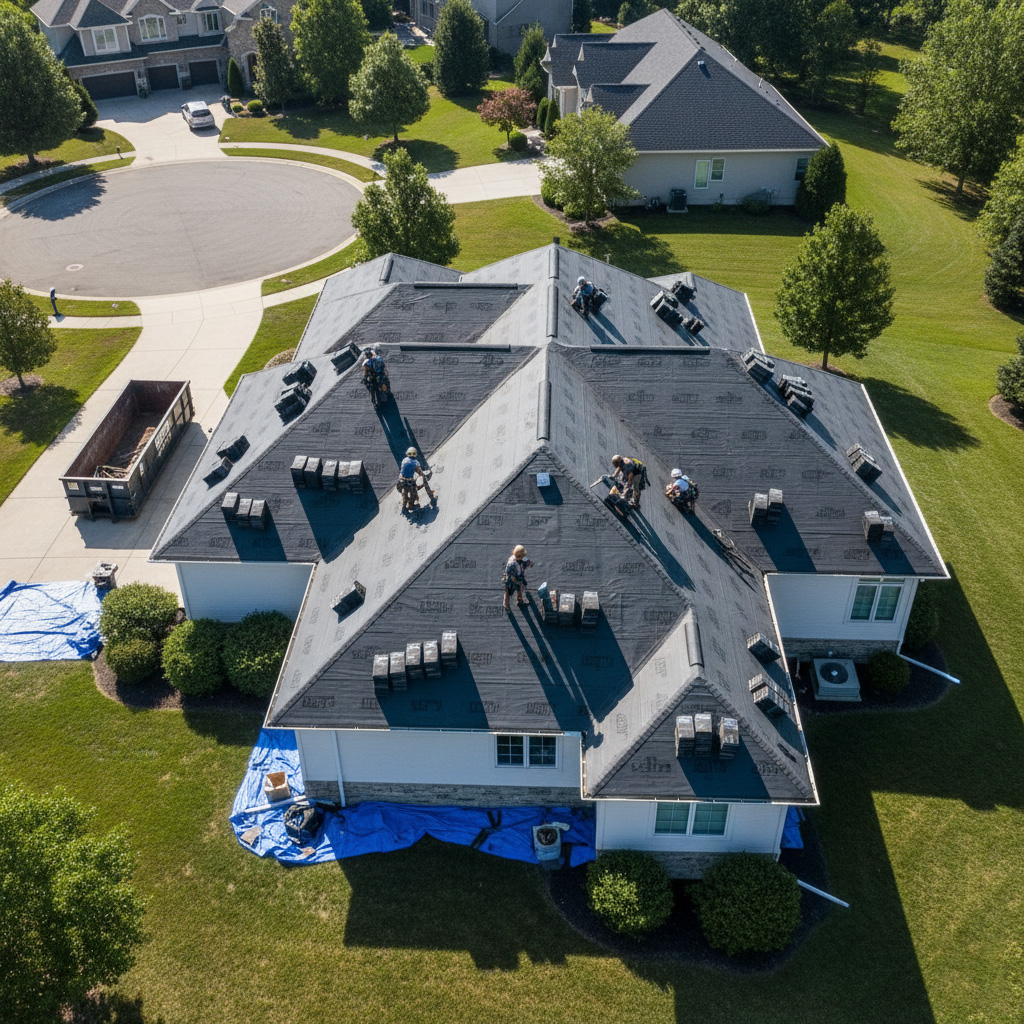
Safety First: DIY Inspection Tools and Best Practices
Climbing your Boise roof without the right gear turns a quick check into a hospital bill. Start with basics that keep you steady on slick shingles after those Treasure Valley downpours.
Essential Tools for Safe Checks
- Extension ladder – Pick one rated 1.5 times your weight, secured at a 4:1 angle against the house.
- Non-slip work boots with thick soles to grip hail-beaten surfaces.
- Harness and rope if your pitch exceeds 4:12 – tie off to a sturdy chimney.
- Binoculars and flashlight for ground-level scans, plus a moisture meter for leak spots.
Now hit the roof smart. Inspect in daylight, never solo, and skip it entirely if ice lingers from winter storms.
Work from ladder edges first. Probe gently – no stomping. Spot issues fast, then call pros before small cracks become repair nightmares.
Case Study: Rescuing a Treasure Valley Home from Inspection Oversights
Meet Sarah, a busy mom in Meridian just outside Boise. After last summer's hail pummeled the valley, she glanced at her roof from the ground. No obvious dents. Skipped a pro check.
Winter hit hard. Snow melted into leaks from ignored valley flashing. Water wrecked her attic insulation and ceilings below. Repair bill? Pushing $15,000.
What We Found on Close Inspection
- Hail bruises hidden under granule loss on shingles.
- Wind-lifted edges at the ridge vent, sucking in moisture.
- Cracked flashing in valleys, channeling water straight inside.
Sarah called us panicked. Our crew climbed up, drone-scanned the trouble spots, and mapped it all. Full replacement? Nope. Targeted fixes saved her 40%.
Roof's solid now. No more drips. She sleeps easy through Boise's next storm season.
Final Thoughts
Boise roofs take a beating from hail, wind, and snow. Skip these pitfalls, and you dodge major headaches.
Your home deserves better than guesswork. Spot subtle hail dents early. Check that valley flashing. Hunt down wind damage before leaks hit.
Next Move for Your Roof
- Grab binoculars and a ladder for quick scans.
- Flag issues fast. Note dates and photos.
- Call pros if damage looks bad.
We've fixed hundreds of Treasure Valley roofs ignored too long. Don't wait for winter chaos.
Ready to bulletproof your roof? Dive deeper into our Roof Inspection services. One call, and you're set.
People Also Ask
What are common roof inspection pitfalls in Boise, ID?
Many homeowners in Boise overlook subtle hail dents or wind-lifted shingles after summer storms, leading to undetected leaks. Ignoring valley flashing and ridge vents allows hidden moisture damage to spread. Always check for granule loss and proper attic ventilation to avoid these costly oversights.
How can I spot hail damage on my Boise roof?
Look for small dents, cracks, or bruising on shingles, especially after Idaho's intense summer hailstorms. Check granules in gutters for excessive buildup, indicating impact wear. Professional inspections with drones reveal hidden damage that DIY checks often miss.
Why is valley flashing critical during Boise roof inspections?
Valley flashing directs water away from roof seams, but in Boise's wet snow and rain, corrosion or improper installation causes leaks. Inspect for gaps, dents, or separated seams that trap debris. Neglecting this leads to interior water damage and mold in Treasure Valley homes.
What are signs of wind damage on Boise roofs?
Wind-torn shingles, missing tabs, or lifted edges are key indicators after Boise's gusty spring winds. Check ridge caps for gaps and sidewalls for uplift. Early detection prevents larger issues like structural compromise during winter snow loads.
Is it safe to DIY a roof inspection in Boise?
DIY inspections risk falls from steep pitches common in Boise homes, especially with slick moss after rains. Use binoculars, ladders securely, and harnesses, but avoid climbing if inexperienced. For thorough safety, hire certified Boise roofers with proper equipment.

Boise Roofing delivers roofing expertise to Boise, ID, homeowners and businesses. With years of hands-on experience, the team handles installations, repairs, and maintenance tailored to local weather conditions. Proudly rooted in the Boise community, they prioritize reliable service for area properties.
Need Roofing?
Swift roof repairs and installations deliver leak-proof protection fast in Boise, ID and nearby areas (83702, 83703, 83704, 83705, 83706).
Get Roof Quote